Visa and Ramp's AI Agents: The End of Bill-Paying Drudgery?
U.S. firms waste $1 trillion yearly wrestling invoices. Visa and Ramp's new AI agents? They're here to flip that script, acting like tireless finance ninjas.
In the Netherlands, a warehouse worker gets the same pension transition note as a 24-year-old intern. That's not a glitch; it's the new Wtp reality, with insurers now on the hook.
U.S. firms waste $1 trillion yearly wrestling invoices. Visa and Ramp's new AI agents? They're here to flip that script, acting like tireless finance ninjas.
Tyfone's nFinia just went live at Metro Credit Union — right as Q1 2026 fintech news explodes with charters, stablecoins, and a $30M raise. But is this rush real innovation or end-of-quarter noise?
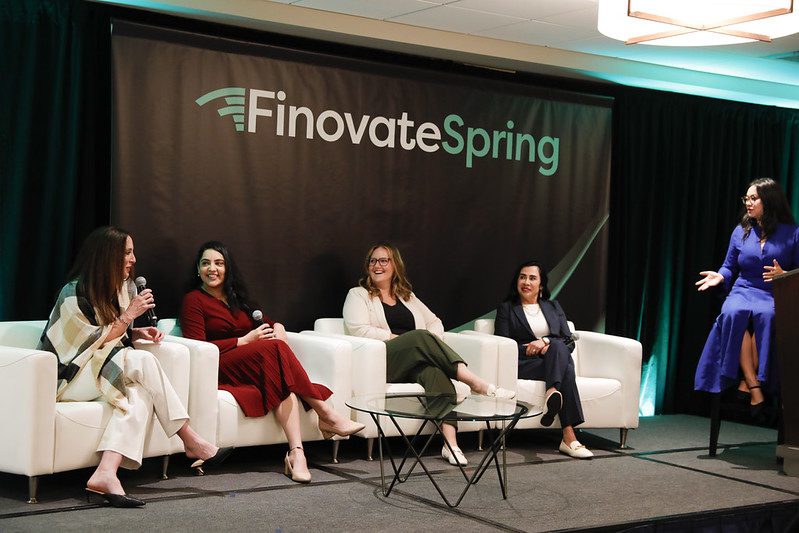
What if the next big fintech breakthroughs come from the women overlooked in the boys' club? At FinovateSpring 2026, 12 female founders are about to demo solutions that could turbocharge banks worldwide.
Banks have tiptoed around crypto for years. SoFi's slamming the door wide open with a regulated hub for 24/7 dollar-stablecoin action. Expect the fintech world to scramble.
Picture this: banks shedding their clunky legacies like snakeskin, revealing sleek AI underbellies. Narmi's just hired the ops wizard to make it happen.
Picture a fraudster's scheme unraveling in milliseconds, thanks to Feedzai's new RiskFM. This isn't just another tool—it's the foundational AI layer financial institutions have been waiting for.
Australia's market operator ASX just got roasted by regulators. The tech upgrade fiasco? Pure governance meltdown.
What if stablecoins could finally kill the clunky fees and delays of wiring money overseas? Latitude, backed by $8M from top VCs, thinks they've cracked it.
You're out $150 to your roommate for concert tickets. Cash App now lets you pay it back in installments — no bank hassle. But does this genius move mask a debt trap?
Coinbase's x402 just joined the Linux Foundation with heavy hitters like Google and Stripe cheering it on. But is this AI payments revolution real, or recycled blockchain buzz?
Picture this: An aerospace supplier's shares going public not on the Paris bourse, but tokenized on blockchain. France's Lise exchange is making it happen with ST Group — but after 20 years in tech, I've seen enough 'revolutions' fizzle.
Monzo's pulling the plug on its US adventure. Smart refocus on Europe, or a white flag to brutal competition?