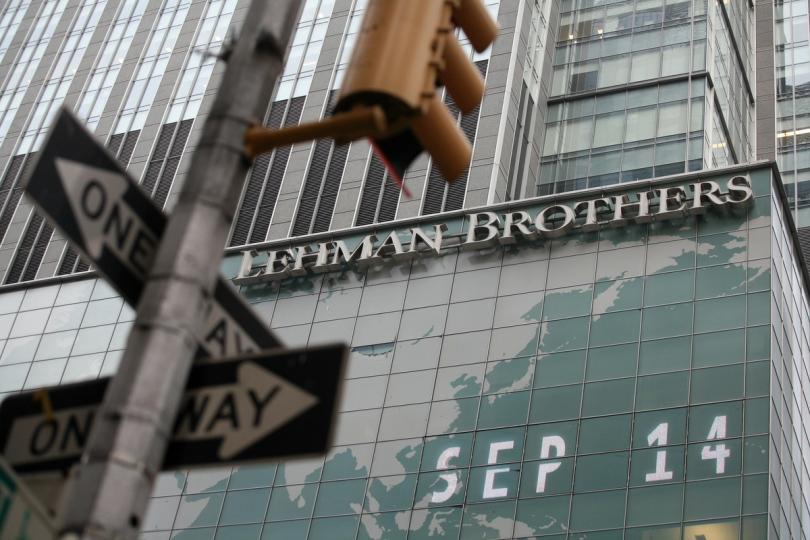
The hum of the server farm, a low thrumming heartbeat beneath the gleaming chrome and glass. It’s the sound of potential, of systems humming, of data flowing. But what if that hum is masking a fundamental disconnect? What if the very promise that birthed cryptocurrencies – a post-2008, bank-be-damned financial future – is, after nearly two decades, still just a whisper in the wind for the average American?
That’s the unsettling data popping off the screen from a new CoinDesk poll. Forget the hype cycles, the moon missions, the blockchain evangelism. When you put banks and crypto head-to-head on something as basic as who people trust for their financial access, banks win. And it’s not even close. Sixty-five percent of respondents pointed a finger at traditional banks, while a measly 5% threw their lot in with crypto. Five percent. It’s a number that should give pause to every VC, every DeFi evangelist, every builder in the space. It suggests that for all the technological wizardry, the foundational trust simply isn’t there.
The Persistence of the Old Guard
Look, the argument for crypto was built on the ashes of the 2008 financial crisis. It was supposed to be the antidote to Wall Street’s predatory practices, a decentralized utopia offering a fairer, more transparent system. Yet, here we are. The poll, conducted by Public Opinion Strategies among 1,000 U.S. voters, reveals that over half (52%) might concede crypto isn’t just a fad, but a staggering 60% view it as a net negative for the economy. That’s a steep hill to climb. It paints a picture not of a nascent revolution, but of a deeply ingrained skepticism.
This distrust couldn’t come at a more critical juncture. The crypto industry’s primary legislative push, the Senate’s Digital Asset Market Clarity Act, is locked in a fierce lobbying battle with the banking sector. Banks, understandably, are sounding the alarm about stablecoin yields potentially siphoning deposits from their interest-bearing accounts – a migration that could, they argue, hobble U.S. lending. For months, this argument has effectively put the Clarity Act on ice, though recent whispers suggest a thaw. But even if the bill moves, the public perception highlighted by this survey suggests that regulatory approval alone won’t magically unlock widespread adoption.
A Small Slice of the Pie
Dig deeper into the numbers, and the picture gets even more nuanced. Roughly a quarter of Americans (27%) claim some form of crypto investment. That sounds significant, right? But then you peel back another layer: most of those investments happened years ago, and a tiny fraction – just 2% – hold more than $10,000 in digital assets. It’s less a widespread embrace and more a small, somewhat weathered cohort dipping its toes in the water, likely having bought in during earlier, more feverish times. The news isn’t helping, either. A majority (53%) report that recent news coverage has actually diminished their impression of the industry.
What drives the positive sentiment among the crypto faithful? Profitability, predictably. For the skeptics? Scams. It’s a dichotomy that perfectly encapsulates the industry’s double-edged sword: the allure of high returns versus the pervasive fear of being fleeced. This isn’t just about market volatility; it’s about perceived integrity.
The AI Parallel and the Path Forward
It’s fascinating, too, how this mirrors the public’s hesitant dance with Artificial Intelligence. Like crypto, AI triggers deep-seated unease, particularly among older demographics. While younger voters show a more mixed, often positive, response to AI’s potential, the overall sentiment leans cautious: 55% believe the risks outweigh the benefits. This shared apprehension towards emerging technologies – crypto and AI – suggests a deeper societal unease with rapid technological change, a desire for familiarity and perceived safety.
The crypto industry’s gamble is that regulatory integration will eventually confer legitimacy and comfort. But that path is fraught with political division and the glacial pace of federal agencies. Key regulators appointed by a crypto-friendly administration have offered assurances of speed, and the Clarity Act might finally see a hearing. Yet, the public sentiment revealed here — that banks are simply safer — is a formidable hurdle. It’s a reminder that technological innovation, however profound, must contend with the enduring human need for stability and trust. The architecture of trust, it seems, is far more difficult to disrupt than the architecture of finance itself.
Who’s Drawn to Digital Assets?
While older Americans tend to express the most distrust, the data suggests males, Republicans, and members of minority groups show a more consistent affinity for crypto. Conversely, nearly half of all respondents (46%) want nothing to do with it, though a substantial 27% remain open to the idea. This segmentation highlights that crypto’s appeal, while not yet mainstream, is not monolithic. It resonates differently across various demographics, hinting at potential pathways for future growth if targeted correctly.
🧬 Related Insights
- Read more: OnePay Crashes the Workday Party: Banking Tools Invade HR Dashboards
- Read more: WLFI’s Circular Gamble: Token Crashes as Team Doubles Down
Frequently Asked Questions
Why do Americans prefer banks over crypto? Americans appear to prefer banks due to a perception of greater stability, security, and familiarity for managing their finances, as indicated by a recent CoinDesk survey where 65% trusted banks more than crypto for financial access. Concerns about scams and the perceived negative economic impact of crypto also contribute to this preference.
Has crypto failed to deliver on its promise of financial inclusion? While crypto was partly conceived to offer an alternative to traditional banking, the survey suggests it has not yet achieved widespread public trust for financial inclusion. Only 5% of respondents favored crypto over banks for financial access, indicating a significant gap between its aspirations and public perception.
Will regulatory clarity make Americans trust crypto more? The survey implies that regulatory clarity might help, as the crypto industry hopes it will lend wider acceptance and comfort. However, public perception is deeply influenced by factors like trust in established institutions and concerns about scams, suggesting that regulation alone may not be sufficient to overcome deeply held skepticism.