The hum of servers in Boku’s global operations center, usually a steady thrum, feels a notch tighter. On screens across the floor, transaction flows from South America are pulsing with a new rhythm – the staccato beat of Pix. Boku, a company that’s carved out its niche as a conduit for global e-commerce to navigate local payment jungles, has just planted a significant flag in Brazil.
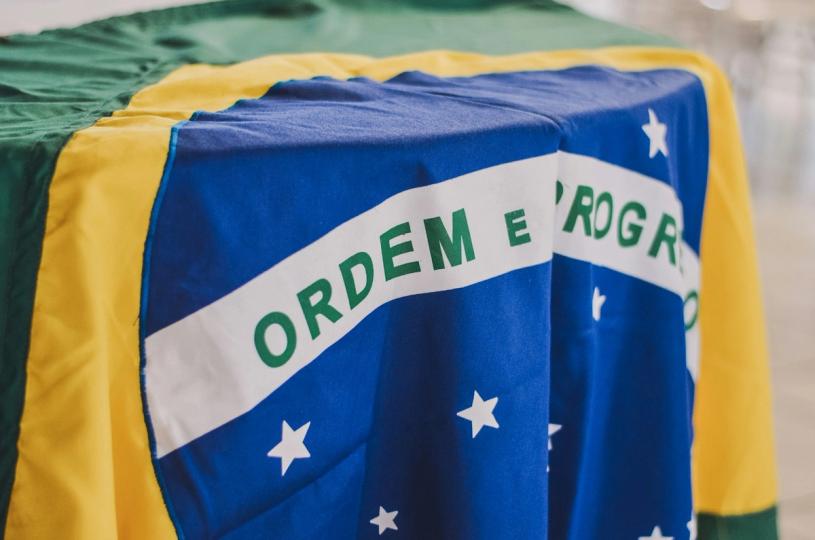
This isn’t just another regional expansion; it’s a strategic deep dive into what’s rapidly becoming the world’s poster child for instant payments. Pix, the instant payment system created by the Central Bank of Brazil, has achieved a velocity of adoption that still makes industry veterans blink. To put it in perspective, it processes more transactions domestically than Visa and Mastercard combined. Think about that for a second. Five years ago, it didn’t exist. Now, it’s woven into the financial fabric of over 150 million Brazilians, a staggering 70% of the population.
Why Pix is More Than Just Another Payment Method
Boku’s move here isn’t just about adding another arrow to their quiver; it’s about aligning with a fundamental shift in how value moves across borders and within them. Pix, at its core, represents a powerful wave of what Boku CEO Stuart Neal calls ‘payment sovereignty.’ Governments, regulators, and crucially, consumers, are increasingly backing domestic payment infrastructure. They want systems that are fast, secure, and intrinsically built around local needs. This isn’t just a Brazilian phenomenon; it’s a global trend Boku is expertly riding.
The implications for merchants are profound. For years, the default path into emerging markets meant wrestling with fragmented local payment methods, navigating complex regulatory hurdles, and often, accepting higher transaction fees. Boku’s pitch is simple: we offer you a regulated, scalable route into Brazil, abstracting away that complexity. By integrating Pix through Boku, merchants can now offer direct account-to-account (A2A) payments via the Sistema de Pagamentos Instantâneos (SPI) network, with the promise of both local and cross-border settlement.
“By connecting through Boku, merchants can access one of the world’s most successful real-time payment systems through a regulated partner that understands both global commerce and local payment infrastructure.”
Initially, Boku is enabling one-time Pix payments. But their roadmap is where the real foresight lies. They’re already talking about Pix Automatico for recurring payments – a feature that could unlock subscription models that have historically been a headache in many markets – and Pix JSR, which promises Pix transactions without the disruptive redirect, streamlining the user experience even further. This isn’t just about facilitating a single purchase; it’s about building the plumbing for the next generation of digital commerce in Brazil.
The ‘How’ Behind Boku’s Pix Integration
So, how does Boku actually do this? It boils down to deep technical integration and strong regulatory compliance. The Central Bank of Brazil awarded Boku a Payment Institution license back in April 2025, a critical gating item that signaled their intent and capability. From there, it’s about building the pipelines. For Pix, this means connecting to the SPI network, the real-time backbone that processes these instant transfers. Boku acts as an aggregator, a secure intermediary that connects global merchants’ payment gateways to this Brazilian infrastructure. They’re not just passing data; they’re handling the complex orchestration of funds, reconciliation, and compliance required for these transactions.
This kind of play requires more than just software; it demands an intimate understanding of local financial ecosystems. Boku’s success hinges on its ability to translate the raw power of Pix into a merchant-friendly API. For developers on the merchant side, the integration should feel familiar – a standardized API that abstracts the underlying complexity of Pix. The real magic happens behind the curtain, where Boku manages the complex dance of currency conversion, settlement, and adherence to Brazilian financial regulations. It’s a sophisticated act of digital diplomacy, bridging the gap between global e-commerce platforms and a fiercely independent, technologically advanced local payment system.
This move by Boku isn’t just a win for them; it’s a signal flare for the broader fintech industry. It demonstrates that the future of global commerce isn’t just about frictionless digital payments, but about deeply integrated, locally resonant payment solutions that empower both consumers and businesses. Pix is more than a payment method; it’s an example of how national payment infrastructure can become a competitive advantage. And Boku, by going live with it, is betting its future on that very principle.
🧬 Related Insights
- Read more: UK Mortgage Approvals: Agentic AI Speeds Up Weeks-Long Process
- Read more: Sui’s Slush Card: Digital Assets Go Mainstream via RedotPay
Frequently Asked Questions
What does Boku’s Pix integration mean for merchants?
It means global merchants can now offer a popular and dominant payment method in Brazil directly to their customers, bypassing traditional card network friction and potentially capturing a larger market share. Boku handles the technical and regulatory complexities of integrating with the Pix system.
Is Pix the same as a credit card payment?
No, Pix is an instant payment system that facilitates direct account-to-account transfers. Unlike credit cards, Pix payments are typically settled in real-time, are not based on credit, and often come with lower or no transaction fees for consumers. It bypasses the traditional card rails entirely.
Will Boku’s Pix support recurring payments?
Yes, Boku plans to expand its Pix capabilities to include Pix Automatico, which will enable recurring payments, and Pix JSR for transactions without a redirect, supporting tokenized recurring payments and other advanced use cases.