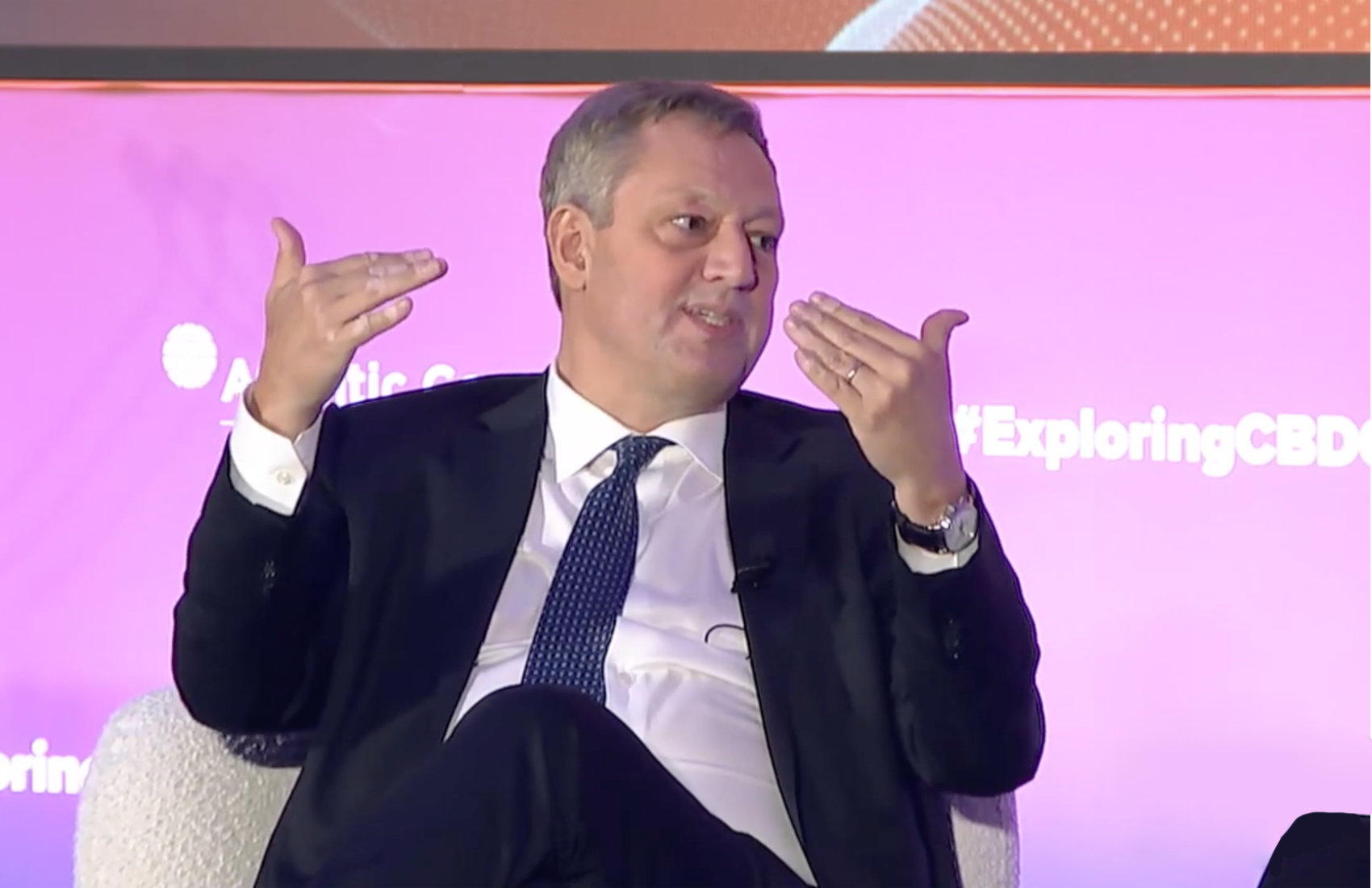
For years, the quest to unmask Satoshi Nakamoto has been the crypto world’s white whale. Tech journalists have circled, digging through forums and tracing digital breadcrumbs. We all expected a bombshell, a definitive pronouncement. And then, the New York Times dropped a name: Adam Back, the brilliant mind behind Hashcash and co-founder of Blockstream. This was it, right? The architect of Bitcoin, lurking in plain sight. Except, Back himself has flatly denied it. So much for that long-awaited reveal.
It’s a classic investigative journalism move: find a credible suspect who fits the profile, present the circumstantial evidence, and let the world chew on it. John Carreyrou, the reporter behind the Theranos exposé, was behind this one. And Back, a fifty-something British cypherpunk who invented the proof-of-work system Satoshi famously used? He’s undeniably a reasonable suspect. He’s even admitted it, sort of. He reportedly told Carreyrou that Satoshi is probably ‘like him’ – a fifty-something British cypherpunk. That’s some meta-level trolling if it’s not him.
But here’s the rub. Carreyrou’s supposed smoking gun? An AI that analyzed writing styles. Specifically, it scanned old cryptography listserv archives and compared how Satoshi wrote (no hyphens in compound nouns, occasional “its” vs. “it’s” mix-ups) with how others posted. The AI pointed to Back. And Back’s response on X? A dismissive blend of coincidence and shared professional interests. He’s not buying it. And frankly, neither should we.
Back was the best match but wrote on X that the evidence is a “combination of coincidence and similar phrases from people with similar experience and interests.”
Look, using AI to hunt for digital fingerprints is clever. It’s the kind of high-tech sleuthing we’ve come to expect. But can a few grammatical quirks and stylistic similarities really prove someone is the pseudonymous creator of a financial revolution? It feels… thin. Like trying to identify a master chef based on how they chop onions. Sure, there might be similarities, but it doesn’t mean they’re the same person.
Is AI Writing Analysis Really a Reliable Detective?
This whole affair highlights a growing, and frankly, unsettling, trend. We’re handing over complex human identification problems to algorithms. While AI can spot patterns, it struggles with intent, context, and the sheer randomness of human expression. Satoshi Nakamoto, a figure shrouded in deliberate mystery, is a prime example. Could they have intentionally mimicked others? Or used different writing styles over time? Absolutely. The AI might have found a statistically probable match, but probability isn’t proof. It’s a sophisticated guess. A very, very educated guess, perhaps, but a guess nonetheless. This isn’t a digital DNA match. It’s more like a forensic sketch based on eyewitness accounts of, well, writing.
Why the Satoshi Mystery Still Matters
Why do we even care who Satoshi is? It’s not just about celebrity gossip in the tech world. The identity of Bitcoin’s creator has profound implications for its decentralization ethos. If Satoshi were revealed to be a state actor, a major financial institution, or even just a prolific miner with an agenda, it could fundamentally alter how people perceive Bitcoin’s trustlessness. The mystery is, in a way, part of Bitcoin’s strength. It reinforces the idea that the protocol is bigger than any one person. So, while Carreyrou’s investigation is a fascinating piece of tech journalism, it may have just added another chapter to the legend rather than closing the book.
Back’s denial is important. It means the door remains wide open for other theories, other investigations. The AI may have spoken, but the cryptographer has spoken louder. And until undeniable, irrefutable evidence surfaces – something more concrete than a stylistic analysis – Satoshi Nakamoto will continue to be the ghost in the machine, and the subject of endless speculation.
What happens now?
Nothing, really. The story will fade. We’ll go back to our lives, and the internet will churn out a thousand new conspiracy theories. Maybe the real Satoshi is out there, chuckling at our attempts. Or maybe they’ve moved on entirely. One thing is certain: Adam Back isn’t them. At least, not according to him. And in this game of digital hide-and-seek, that’s the only denial that matters for now.