The air crackled with the hum of servers, a symphony of binary pulses and financial ambition. Here, in the digital ether where capital flows like a supercharged river, Bullish just flicked a switch, dramatically expanding its already cozy relationship with Ripple.
This isn’t just another press release about synergy; this feels like the ignition sequence for a new era of institutional engagement with crypto derivatives. Think of it this way: imagine the world’s most sophisticated traders, accustomed to the nuanced strategies of options markets, suddenly finding a direct, regulated on-ramp to digital assets. That’s precisely what’s happening.
Bullish, the globally focused digital asset exchange that’s been quietly building its institutional bona fides, is now handing Ripple Prime’s clients the keys to its regulated BTC options markets. This builds on existing connectivity for spot, perpetuals, and dated futures. So, it’s not just a fresh coat of paint; it’s a whole new wing being added to the digital asset trading mansion.
And get this: Ripple’s own stablecoin, RLUSD, can now be used as the bedrock for these options trades. That’s a fascinating wrinkle, tying the fate of these sophisticated derivatives directly to Ripple’s stablecoin ecosystem. It’s like saying you can use the newly minted gold from your own mine to bet on the future price of oil. Bold.
What’s truly remarkable is the frictionless onboarding for Ripple Prime clients. They can deploy capital instantly, leveraging existing sub-account structures. No more soul-crushing KYC hoops for every new product! This is the kind of efficiency that institutional players crave – the kind that separates the pioneers from the also-rans.
But the real kicker, the thing that makes my futurist heart sing, is the planned introduction of cross-venue margin support. This is where things get truly interesting. It means institutions can optimize their collateral not just within Bullish, but across different exchanges and over-the-counter desks. It’s like a master chef being able to pull ingredients from multiple pantries, all while using a single, unified accounting ledger. Capital efficiency on steroids.
Ripple Prime itself isn’t some sleepy corner of the market. We’re talking about a prime broker that’s already processed over $3 trillion in clearing volumes. This isn’t small potatoes; these are the big whales, the institutional leviathans, and they’re being courted with increasingly sophisticated tools.
The Specter of Sophistication
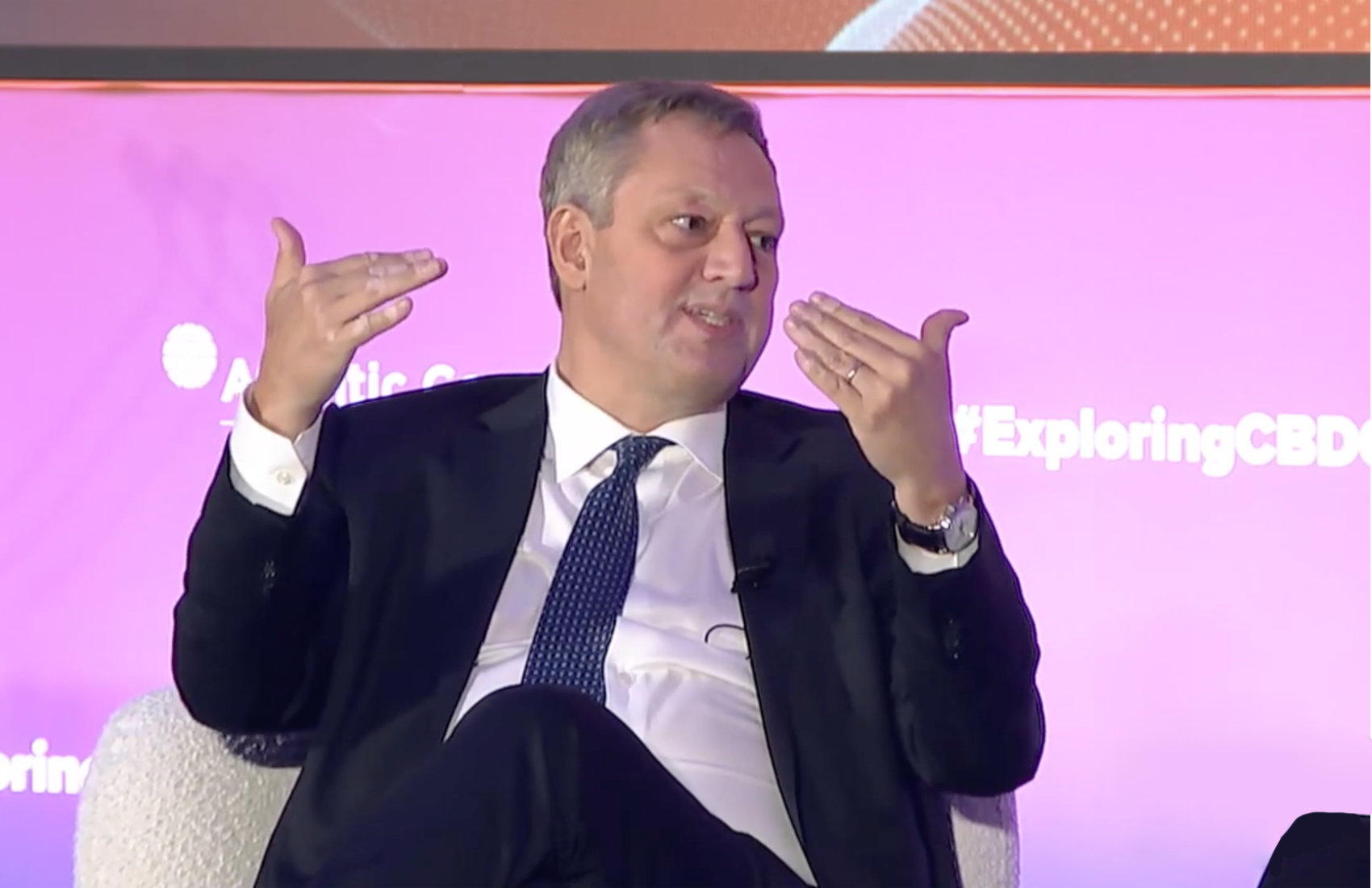
Chris Tyrer, Bullish’s exchange president, hit the nail on the head. “Institutional demand for crypto derivatives is growing, and having access to options is central for sophisticated investors looking to manage risk more precisely across their digital asset portfolios.” Precisely. Options aren’t just for speculation; they are the finely tuned instruments of risk management. Think of them as the anti-lock brakes on a high-performance supercar – essential for control when things get dicey.
And Mike Higgins, Ripple Prime’s international CEO, echoed the sentiment, highlighting how this strengthens “the depth of participation, optimizing capital efficiency while facing a regulated and well-capitalized counterparty in Ripple Prime.” It’s a dance of trust and efficiency, with regulation as the watchful choreographer.
Why Does This Matter for the Future of Finance?
This integration isn’t just about two companies high-fiving. It’s a seismic shift. For too long, institutional investors have viewed crypto with a mix of fascination and trepidation. The volatility, the regulatory uncertainty, the sheer alienness of it all. But platforms like Bullish, coupled with established players like Ripple, are building bridges. They’re creating regulated, efficient, and increasingly sophisticated avenues for these giants to participate.
What we’re witnessing is the maturation of the digital asset market. It’s evolving from a speculative fringe into a fully integrated component of global finance. The tools being developed and deployed now – strong derivatives, efficient collateral management, stablecoin integration – are the building blocks of a future financial system that’s more interconnected, more fluid, and dare I say, more exciting than anything we’ve seen before.
This isn’t just about trading Bitcoin options. It’s about embedding digital assets into the very fabric of institutional investing. It’s about creating a financial ecosystem where traditional and digital assets don’t just coexist, but actively enhance each other.
Will This Make Crypto Less Volatile?
Not exactly. The underlying volatility of crypto assets will likely persist. However, the availability of sophisticated derivatives like options allows institutions to manage that volatility more effectively. It provides tools to hedge positions, limit downside risk, and implement complex trading strategies that were previously impossible in the digital asset space. Think of it as giving pilots better instruments for navigating turbulent skies, rather than trying to calm the storm itself.
The Rise of the Hybrid Investor
We’re moving towards an age where the lines between traditional finance and decentralized finance blur into a vibrant, hybrid landscape. This partnership is a proof to that evolution. It’s a clear signal that institutions are not just dipping their toes in the crypto waters; they’re building sophisticated infrastructure to swim laps.
This is more than just expanding a partnership; it’s about laying down tracks for the financial express train of the future. And boy, is it picking up speed.
🧬 Related Insights
- Read more: KeyBank and Qolo’s Virtual Accounts: Treasury Fix Without the Core Gutting
- Read more: [AI in Finance] Data Infrastructure is the Real Bottleneck
Frequently Asked Questions
What does the expanded Bullish and Ripple partnership allow institutional clients to do?
Institutional clients of Ripple Prime can now access Bullish’s regulated Bitcoin options markets directly. This builds upon existing capabilities for spot, perpetuals, and dated futures trading, and allows for RLUSD to be used in options trading. The firms also plan to introduce cross-venue margin support for optimized collateral management.
What is Ripple Prime and why is its role important here?
Ripple Prime is described as one of the largest non-bank prime brokers globally, offering multi-asset brokerage, clearing, and financing services. Its significant transaction volumes indicate its importance in facilitating institutional trading, making it a key conduit for bringing institutional capital into new digital asset markets.
Will this integration lead to more institutional adoption of crypto?
This expansion provides more sophisticated tools for risk management and capital efficiency, which are critical for institutional investors. By offering regulated access to complex derivatives, it lowers barriers and increases confidence, strongly suggesting it will encourage further institutional adoption of crypto assets.