Here’s the thing: the fintech world loves a good story. And Fasset’s narrative is practically begging for a standing ovation. They talked about unlocking financial opportunities for the unbanked, the geographically challenged, the passport-pessimized. It’s the classic fintech evangelism playbook: democratize finance, disrupt incumbents, save the world one transaction at a time. And everyone, naturally, bought it.
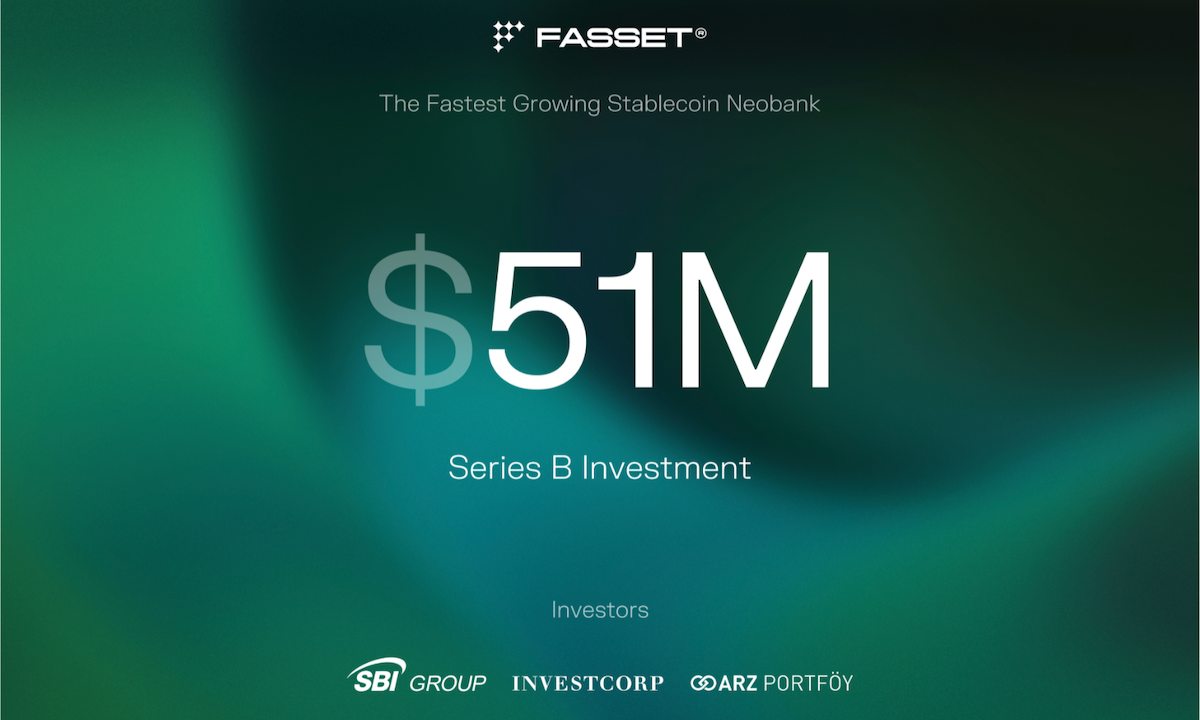
Now, Fasset has strapped $51 million to that narrative. Series B. Big money. The stated goal? Expansion. Targeting emerging markets. Using stablecoins. And tokenized real-world assets. Oh, and they want this stuff to be as easy to use as ordering a latte in Manhattan. Ambitious? Sure. Naive? Perhaps.
Fasset’s pitch is simple, really. They believe that for millions locked out of traditional finance—because of where they were born, what papers they carry, or simply the sad state of their local banking—stablecoins offer a lifeline. A way to hedge against volatile currencies, to send money instantly, to participate in a global economy that has historically ignored them. It’s a noble pursuit, one that’s gained serious steam lately.
We’ve seen the numbers. Nigerians moving billions in small-value stablecoin transfers. Latin Americans using them for everyday purchases. It paints a picture of organic adoption, driven by genuine need. People aren’t waiting for permission; they’re just using the tools that work.
The Uncomfortable Truths Nobody Wants to Hear
But here’s where the acerbic critic in me wakes up. This isn’t just about innovative tech. It’s about navigating a minefield. The very appeal of stablecoins—their speed, their global reach, their perceived stability—also makes them a siren song for less savory characters. The Financial Action Task Force (FATF) isn’t just making noise. They’re flagging the exact risks Fasset will have to confront. Illicit finance. Money laundering. The need for strong KYC. Sanctions screening. The Travel Rule.
These aren’t minor inconveniences. These are the guardrails. The things that separate a regulated, safe financial system from a Wild West free-for-all. And Fasset, in its eagerness to serve the underserved, has to prove it can build those guardrails without creating new barriers for the very people it claims to help. That’s a tightrope walk. A very, very thin tightrope.
“Without those guardrails, scaling stablecoins as everyday spending money in emerging markets could introduce vulnerabilities regulators and payment firms are keen to avoid.”
This quote from PYMNTS cuts right to the heart of it. Fasset’s ambition is commendable, but the execution is where the rubber meets the road—or, more accurately, where the regulatory hammer falls.
Can Stablecoins Truly Be for Everyone, Everywhere?
Fasset claims to be an Islamic digital bank, offering Shariah-compliant services. That’s a specific niche within a niche. It adds another layer of complexity. How do they ensure their stablecoin operations are Shariah-compliant? Does “tokenized real-world assets” mean actual commodities, or abstract digital tokens representing them? The devil, as always, is in the details. And the details here are crucial for both regulatory approval and user trust.
Their expansion plan is ambitious, stretching from Morocco to Malaysia. That’s a vast and diverse region, with vastly different regulatory landscapes. What works in one country might be outright illegal in another. This isn’t simply about plugging into a new payment network. It’s about understanding and conforming to local laws, cultures, and financial realities.
And let’s not forget the inherent volatility of some “stablecoins.” While the intention is to hedge against local currency fluctuations, the underlying mechanisms of some stablecoins can themselves be subject to unexpected de-pegging events. It’s like offering a life raft that sometimes springs a leak.
Fasset has the funding. They have the vision. What they need now is a masterclass in regulatory navigation and risk management. The $51 million is just the first step. The real test will be in whether they can build a truly inclusive and stable financial ecosystem, or just another shiny experiment that collapses under its own weight.
🧬 Related Insights
- Read more: Hong Kong’s Stablecoin Push Hits Payments: EX.IO, Payment Asia Deal
- Read more: Tune Protect Bets on Akur8’s AI to Ditch Spreadsheets — Skeptical Eyes on Malaysia’s InsurTech Play
Frequently Asked Questions
What does Fasset actually do? Fasset is a digital bank that focuses on stablecoin-based financial services, aiming to provide easier access to global financial tools for people in emerging markets.
Will this funding solve the problems in emerging markets? The funding provides resources for expansion, but actual impact depends on Fasset’s ability to navigate complex regulations, ensure security, and gain user trust in diverse markets.
Are stablecoins safe for everyday use? Stablecoins offer benefits like speed and lower costs, but also carry risks related to regulatory compliance, potential de-pegging events, and susceptibility to illicit activities if not properly managed. It’s not a guaranteed safe haven yet.