Four million merchants. That’s the number SumUp throws around globally. Now they want a bigger slice of the US pie. Their new strategy? An “all-in-one” small business offering. Because apparently, nobody has thought of this before. It’s a bundle of POS Lite, card readers, and invoicing. All supposed to play nice in one neat little package.
This isn’t just a product launch; it’s a statement. A loud, echoing statement about the so-called “rebundling” trend in fintech. We’ve spent years watching companies fragment the market with single-purpose tools. Now, everyone’s racing back to stitch them together. SumUp’s aiming to unify payments, operations, and basic management. They claim it’s built around how merchants actually work. Starting with payments and adding management layers. It’s a nice story. Whether it’s a true narrative or just good PR remains to be seen.
The All-In-One Gamble: Friend or Foe?
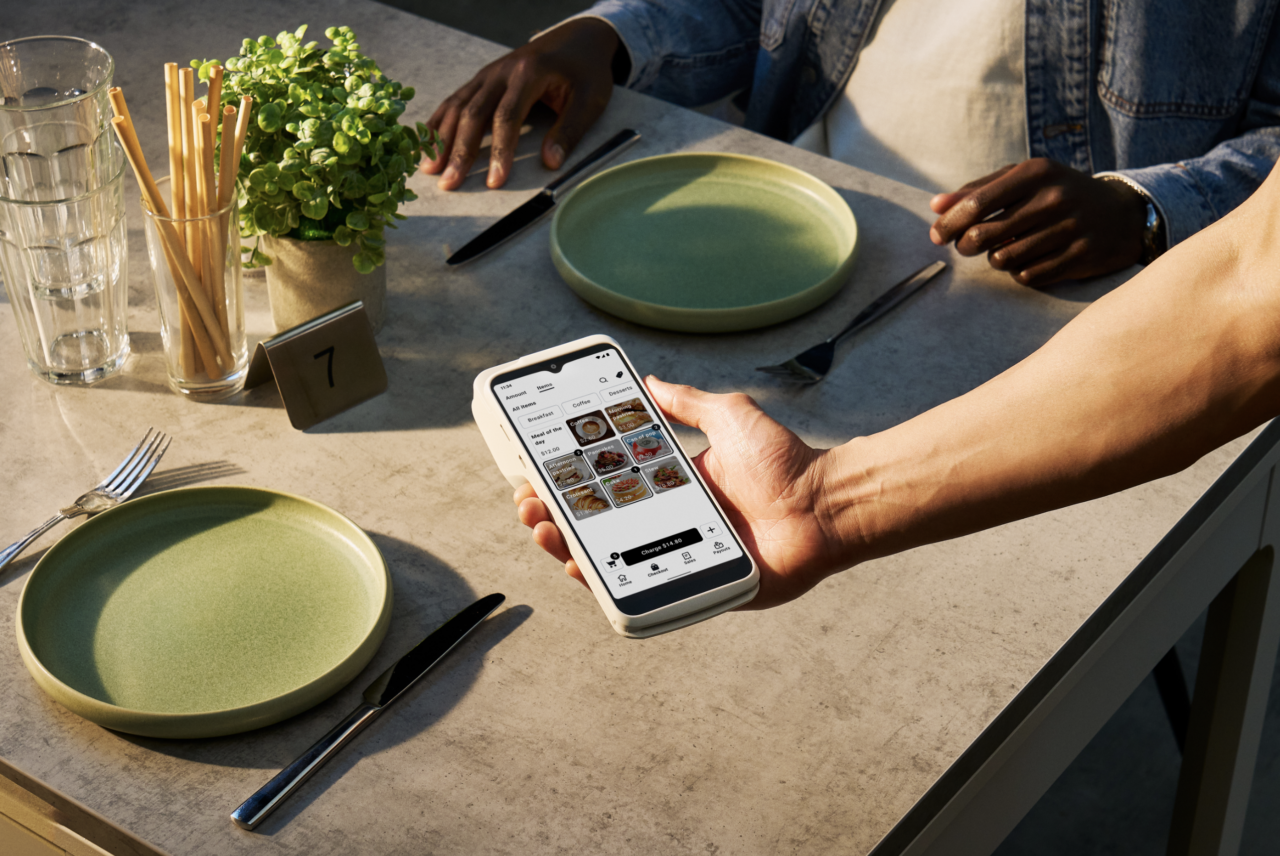
SumUp’s new suite has two main prongs. First, running the business. Think POS Lite for merchants who don’t need a spaceship console to ring up a sale. Then there’s the SumUp Terminal. This is the supposed star – a handheld device packed with POS, payment acceptance, and business management. All in one place. No external wires, no convoluted setups. Just… stuff.
The second prong is payment acceptance itself. Simple, plug-and-play card readers. Contactless, chip, mobile wallets – the usual suspects. And an invoicing tool. With payment links. Because nothing screams small business efficiency like chasing down invoices.
“Small businesses shouldn’t have to stitch together five different tools just to run their day,” said SumUp USA Head of Product Ben Brazier. “We built this ecosystem around how merchants actually work—starting with payments, and layering in the management tools they need to stay on top of their business. The Terminal is the clearest expression of that philosophy: one device, everything you need, nothing you don’t.”
It’s the classic fintech playbook. Identify a pain point – fragmentation, complexity. Offer a unified solution. SumUp’s been doing payments for a decade in the US. They even swallowed FiveStars five years back, presumably to beef up their local muscle. Now they’re trying to offer the whole enchilada.
Is This Just More Fintech Smoke and Mirrors?
Here’s the kicker. Every fintech company seems to be on this “rebundling” kick. They’re all chasing that mythical unicorn of a single platform that does it all for small businesses. It worked for some early players, sure. But the market is already saturated with POS systems, invoicing software, CRM tools, payment processors – the list goes on. Do small businesses truly want another monolithic system that forces them into a specific workflow?
This isn’t 2011 anymore. Small businesses have options. Many have already invested in specific tools that work for them. Introducing a new, integrated system means forcing them to abandon what they know. Or, worse, it means adding another layer of complexity. A system that promises to do everything but excels at nothing. A jack-of-all-trades, master-of-none scenario. It’s a gamble. A big one.
SumUp’s ambition is clear. They want to be the go-to for small businesses, not just for taking payments, but for running the entire show. It’s a laudable goal, in theory. But theory and practice often diverge sharply in the fintech world. Especially when you’re competing against established players and a wave of similar rebundling attempts. We’ll see if this “all-in-one” actually simplifies things, or just adds another option to an already crowded field.
🧬 Related Insights
- Read more: PNC’s Rewards: Bank Bait or Bust?
- Read more: Financial Data Aggregation: How Open Finance APIs Work
Frequently Asked Questions
What does SumUp’s new product suite include? SumUp’s expanded offering for US small businesses combines POS Lite, the SumUp Terminal (a handheld device), portable card readers, and an invoicing tool with payment links.
Why is SumUp expanding its offerings now? The expansion reflects a broader fintech trend of “rebundling,” where companies move beyond single-point solutions to offer integrated platforms for payments, operations, and business management.
Will this replace existing POS systems for businesses? SumUp aims to provide an alternative to fragmented tools, but whether businesses will migrate from their existing systems depends on the perceived value, ease of integration, and cost-effectiveness of SumUp’s new bundled solution.